


I have seen the future for advisors and social media, and I’m here to tell you that it will be a paid-content world.
Sites such as LinkedIn and Facebook started out with purely organic content written by people to entertain and inform their social media networks, and those audiences would reward them by liking them. But now and in the future, we will all see more paid content as businesses sponsor online posts in social media news feeds.
LinkedIn, in particular, is jumping on the paid-content bandwagon with what it calls “content marketing in the world’s only professional feed.” The social media site helps businesses reach other LinkedIn members with sponsored updates that reach highly targeted audiences in the LinkedIn feed. Below is an example of just how in-depth you can get with LinkedIn advertisements and promotions.
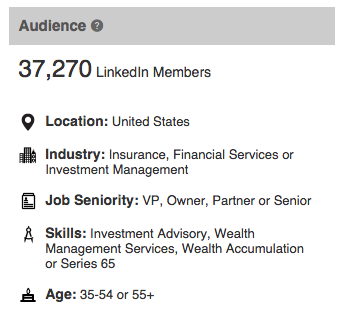
Facebook, on the other hand, plans to make significant changes to the way its News Feed feature works by reconfiguring its algorithms to discourage overly promotional posts, as discussed in last week’s blog. Facebook’s goal, thanks in part to pressure from shareholders and other investors, is to charge advertisers for the privilege of reaching targeted individuals with big-data software that reveals consumer preferences.
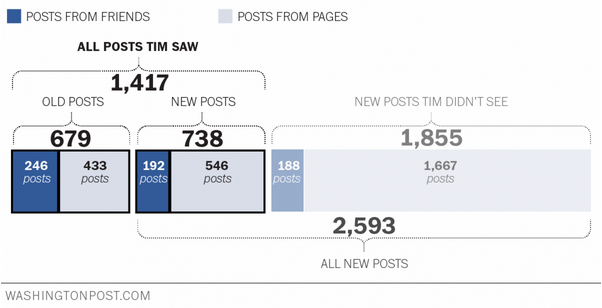
But small advisory businesses without big marketing budgets need not fear: there are legitimate ways to get around Facebook’s changes. Read my blog post on how you can avoid getting penalized by creating high-quality content that still reads as organic.
I want to emphasize the concept of “high quality.” Why? Because Internet users, particularly next-generation users, are savvy about advertising campaigns and worry that their favorite social-media sites will be overtaken by sponsored content.
The good news for advisors, however, comes from social networks’ need to monetize their services. The best way to do that is via ad revenue, much of which is derived from paid content. More good news is that paid content over the past few years has become an increasingly familiar part of the social media landscape. Even new networks such as Pinterest and Facebook-owned Instagram are running paid-content pilot programs.
PLANNING YOUR CONTENT STRATEGY
With all this in mind, here are a few thoughts to consider as you contemplate your paid-content future:
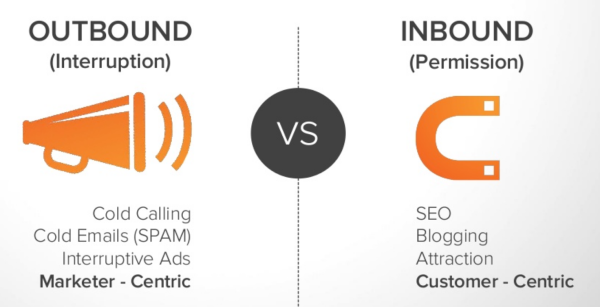
- If your marketing budget allows you to pay for sponsored content, understand that you will be building your brand with something known in the ad industry as “interruption marketing,” which lets you enter a user’s space front and center with your message.
- If you decide to go the organic route, be prepared to spend more time personally on your social media activities. In other words, you won’t be doing any direct selling with your content. You will be engaging people online with “permission-based marketing” because you have something interesting to say based purely on its own merit.
- Your marketing strategy will likely combine interruption marketing with permission-based marketing. If well executed, it should result in social media ads that “pop” for users while providing them with truly useful information. And when you establish your dual strategy, be sure that you are clear on which content functions best as organic and which functions best as paid.
Remember, social networks are now the top activity for online users, and that makes them a key place for businesses such as yours to boost consumer awareness about your services.
For regular, timely content planning and strategizing tips, follow FSM on Twitter <@FinSocMedia>.

Amy McIlwain
@amymcilwain
Latest posts by Amy McIlwain (see all)
- Social Media Is Dead: Financial Social Media Evolves - February 11, 2015
- Managing Compliant Messages on LinkedIn - January 29, 2015
- How to Freshen Up Your Website in 2015 - January 1, 2015


Speak Your Mind